
2026 Honda CR-V vs HR-V: Which Honda SUV Fits Your Nova Scotia Lifestyle
June 24 2026,
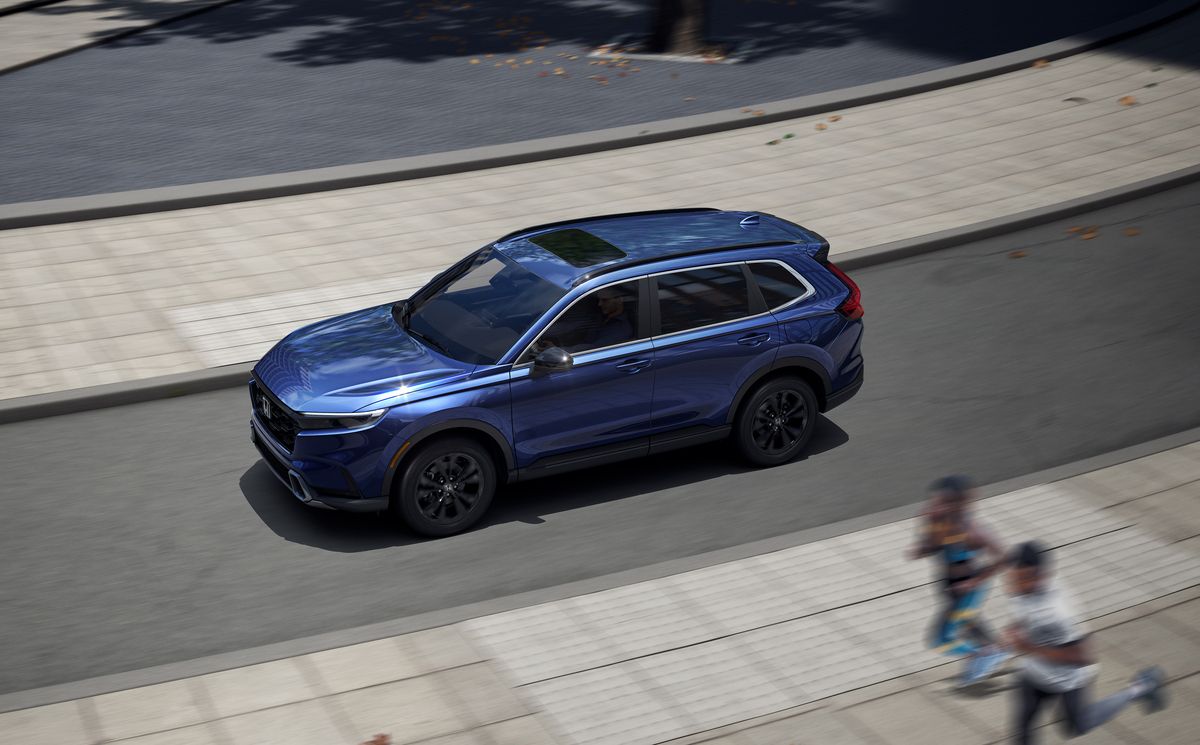
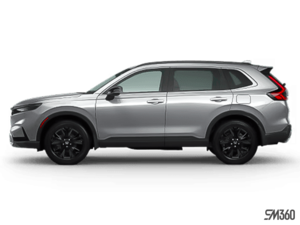
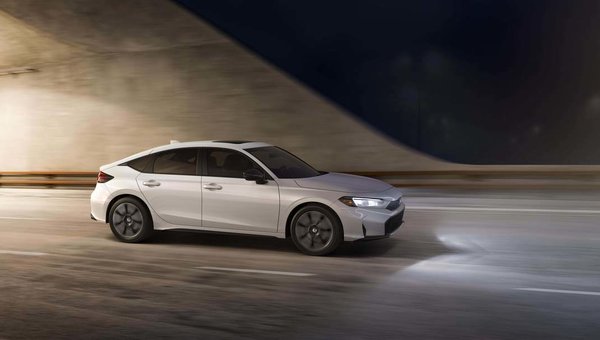
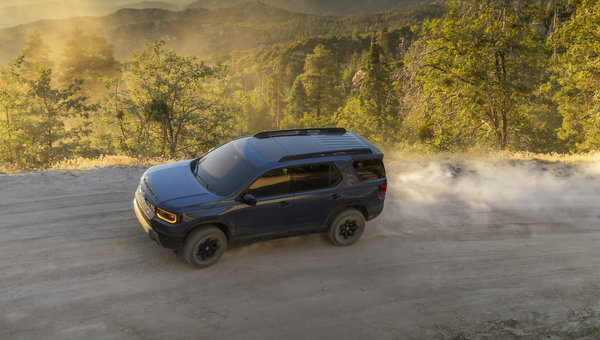
Honda’s SUV lineup covers a wide range of needs, and the CR-V and HR-V sit at two different points on that spectrum. Both share Honda’s reliability and safety technology, but they’re built for different types of driving.
The HR-V is the smaller, easier-to-park option with a tighter turning radius and a lower price point of entry. The CR-V is the larger SUV, with more cargo room and a hybrid powertrain option. Here’s how the two actually compare.
At a Glance: CR-V vs HR-V
|
Spec |
HR-V |
CR-V |
|
Engine |
2.0L 4-cyl, 158 hp |
1.5L turbo (LX, Sport) or 2.0L hybrid (Sport Hybrid and up) |
|
Fuel economy (combined) |
8.3 L/100 km (FWD) |
6.4 L/100 km (hybrid trims) |
|
Cargo, seats up |
691 L |
1,028 L (hybrid) / 1,113 L (LX, Sport) |
|
Length |
4,568 mm |
4,695 mm |
|
Drivetrain |
FWD standard, Real Time AWD available |
Real Time AWD standard on Sport and up |
Performance and Efficiency

The HR-V’s 2.0-litre engine produces 158 hp and 138 lb-ft, rated at 8.3 L/100 km combined in front-wheel drive or 8.7 L/100 km with Real Time AWD. It’s a straightforward, efficient engine for a vehicle built around city driving.
The CR-V steps up on both counts. The gas-powered LX and Sport trims use a 1.5-litre turbocharged engine, while Sport Hybrid, TrailSport Hybrid, EX-L Hybrid, and Touring Hybrid all use Honda’s two-motor hybrid system for a combined 204 hp and 247 lb-ft. Hybrid CR-V trims are rated as low as 6.4 L/100 km combined, and every hybrid trim comes with Real Time AWD as standard equipment.
- HR-V: 158 hp, rated 8.3 to 8.7 L/100 km combined depending on drivetrain
- CR-V Hybrid: 204 hp, rated as low as 6.4 L/100 km combined
- Real Time AWD with Intelligent Control System is standard on every CR-V hybrid trim
Cargo and Interior Space
Interior space is where the size difference between these two SUVs shows up most.
- HR-V: 691 L behind the rear seats, 1,559 L with the seats folded
- CR-V: 1,028 L (hybrid trims) or 1,113 L (LX, Sport) behind the rear seats, up to 2,166 L with the seats folded
- The CR-V’s longer 4,695 mm body translates into more front and rear legroom than the HR-V
Which Model Is Right for You?
If your daily driving is mostly city streets, tight parking spots, and shorter trips, the HR-V’s smaller footprint and lower fuel bills make it easy to live with. It’s sized to fit where a bigger SUV can’t, without giving up Honda Sensing safety features or All-Wheel Drive as an option.
If you’re regularly hauling cargo, driving longer distances, or want the option of a hybrid powertrain, the CR-V’s extra room and lower combined fuel economy figures make it the better fit. The added length and cargo capacity are the kind of thing you notice on a grocery run and a road trip alike.
Compare Both at Kings Honda
Both the HR-V and CR-V carry Honda’s reliability and safety record, and the right one comes down to how you actually use your vehicle day to day. Book a test drive at Kings Honda in Coldbrook and compare them back to back.